Air conditioning
Heating and cooling from a heat pump, in single-room, multi-room and whole-home arrangements.
Split system, multi-split and ducted air conditioners all work the same way: a heat pump moves heat between the air inside the home and the air outside. In summer it takes heat out of the house. In winter it runs the other way and brings heat in. The differences lie in how many rooms each arrangement serves.
Split systems
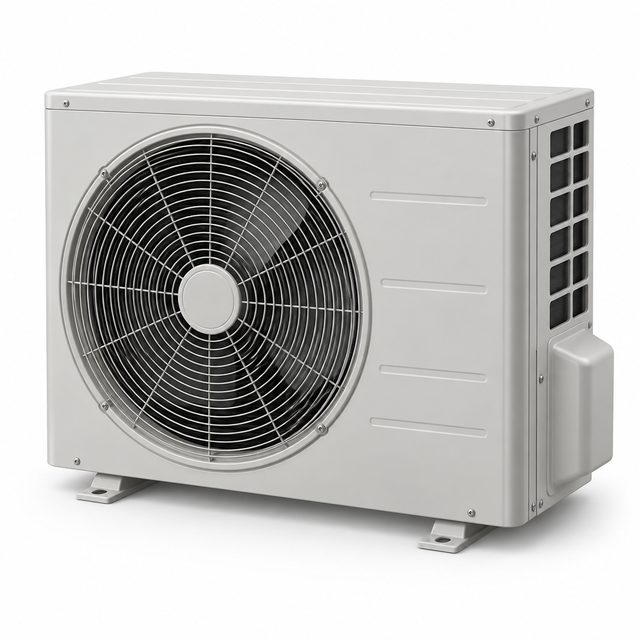
A split system pairs one indoor unit with one outdoor unit. The indoor unit mounts high on a wall and the outdoor unit sits outside, joined by refrigerant pipes. It is a direct match for a single room, and the capacity label in kilowatts tells you how large a space it is built for.
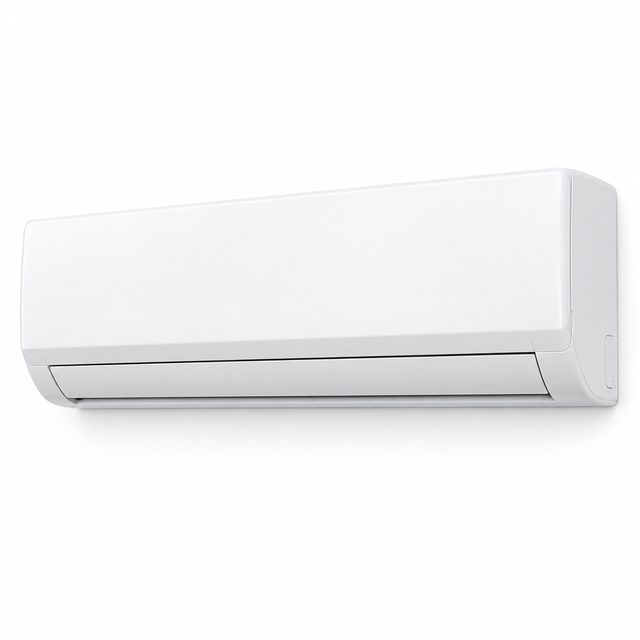
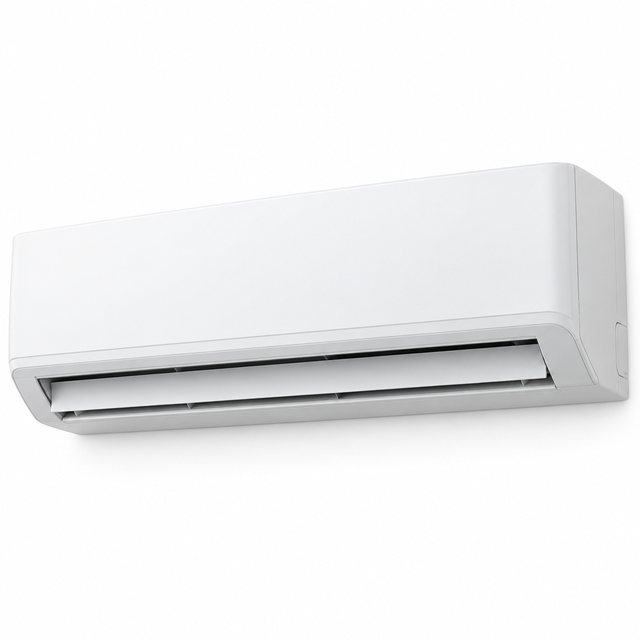
Multi-split systems
A multi-split connects several indoor units to one outdoor unit. Each room gets its own unit and its own setting, and the outside of the house gets one box rather than several.
Ducted systems
A ducted system uses a central indoor unit, usually in the roof space or under the floor, and a network of ducts that carries conditioned air to outlets in each room. Only the outlets are visible, which keeps rooms uncluttered. Ducted systems are planned around the whole home, often in zones, so rooms in use can be conditioned while others are left alone.
Features and benefits
- Heating and cooling in one. A reverse-cycle system covers both seasons.
- Room-by-room control. Split and multi-split systems let each room be set to suit how it is used.
- Filtered air. Indoor units draw air through filters that catch dust. Cleaning them from time to time keeps airflow healthy.
- Remote or wall control. Many units offer a remote or wall controller and a timer, so a room can be ready when it is needed.
See how the three types stack up on the comparison page.